
Aspirational Software
When every app can do everything, the only reason to pick one is who you become when you open it

"An object is the result of the person behind it and the mind of the person who designed it. And I want to associate with a specific kind of thinker - that's why I like specific kinds of objects.” – Purienne
When my friend finished the Dieter Rams documentary, he bought a Braun AW 10 the next day. Wearing Yamamoto rewires my brain. Nike sells the dream of jumping like Jordan. Yet exactly one piece of software feels that aspirational to me.
Physical objects let us signal who we are and who we want to become. But 75% of my life happens inside software. Why don't my digital spaces reflect the same aspiration?
We're living through a style recession in digital spaces. While physical culture fragments into niches, software stays sterile and uniform. Why don't I use Rick Rubin Headspace, Virgil Abloh Figma, and Henrik Karlsson Google Docs?
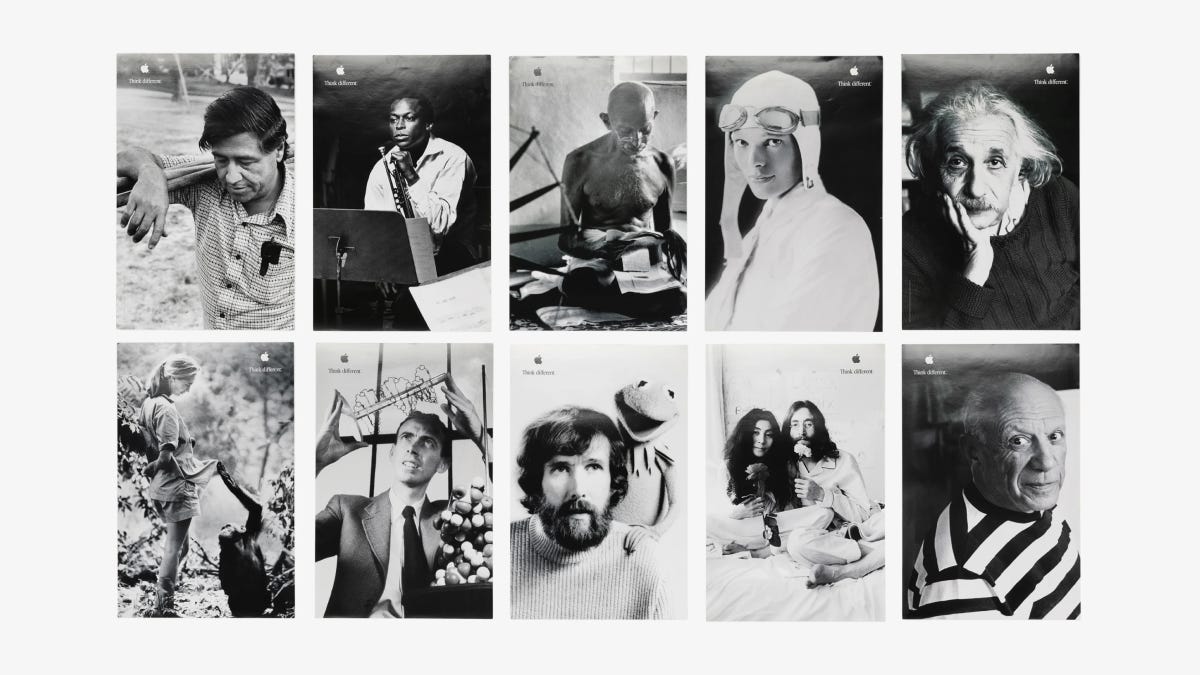
Signs of Life
I use Obsidian not just for the features, but because I want to be someone who uses Obsidian. I love Steph Ango's writing and want to associate with his mind and the people I know who use this tool.
I use Vesper, a VS Code theme, because I admire Rauno. The scarcity of interesting themes proves developers don't think about digital expression enough. I'd install a The Bear theme instantly — not for the colors, but to get a omakase feeling while coding.
As I was writing this Tom Sachs released a new app with Nike - I.S.R.U. Love me some Tom Sachs on the homescreen.
Notion templates, Discord themes, and Farcaster clients point the same direction.


Power Laws
In real life I curate my environment. But when Twitter became X with that marble texture logo, I kept coming back multiple times a day. Every click on that marble thing hurt a bit. Where else could I go? (I love Farcaster)
We don't get to choose between 30 social networks. Network effects pick one winner per category. These pipelines are here to stay, but maybe the interface layer can finally fragment.
Malleable Software
Digital malleability is how much a user can reshape a product's look, behavior, and data flow. Give users that freedom and identity emerges.
I don't necessarily want to impose my own aesthetic and redesign all UIs I use — I want to curate, I want to align with thinkers whom I respect. Malleability makes that possible.
Now that everyone's about to be able to code and manifest their own software. We'll choose software not just for what it does, but for the minds and communities it lets us inhabit.
Creator Skins and Apps
I believe we'll see more creator apps. I don't need another phone case.
Zach’s Aura is genius for this. I follow him because he's obsessed and builds his personal brand around obsession. Yes I enjoy the running app, but associating with his obsessive mind and brand is worth so much more to me. Three years of compounding world building, tweeting, YouTube, and content make me want to use his app.
In 2023 GeoGuessr added creator skins. I think we’ll see more in consumer apps.
I’d drop $50 on a Henrik Karlsson Google Docs skin, no hesitation.
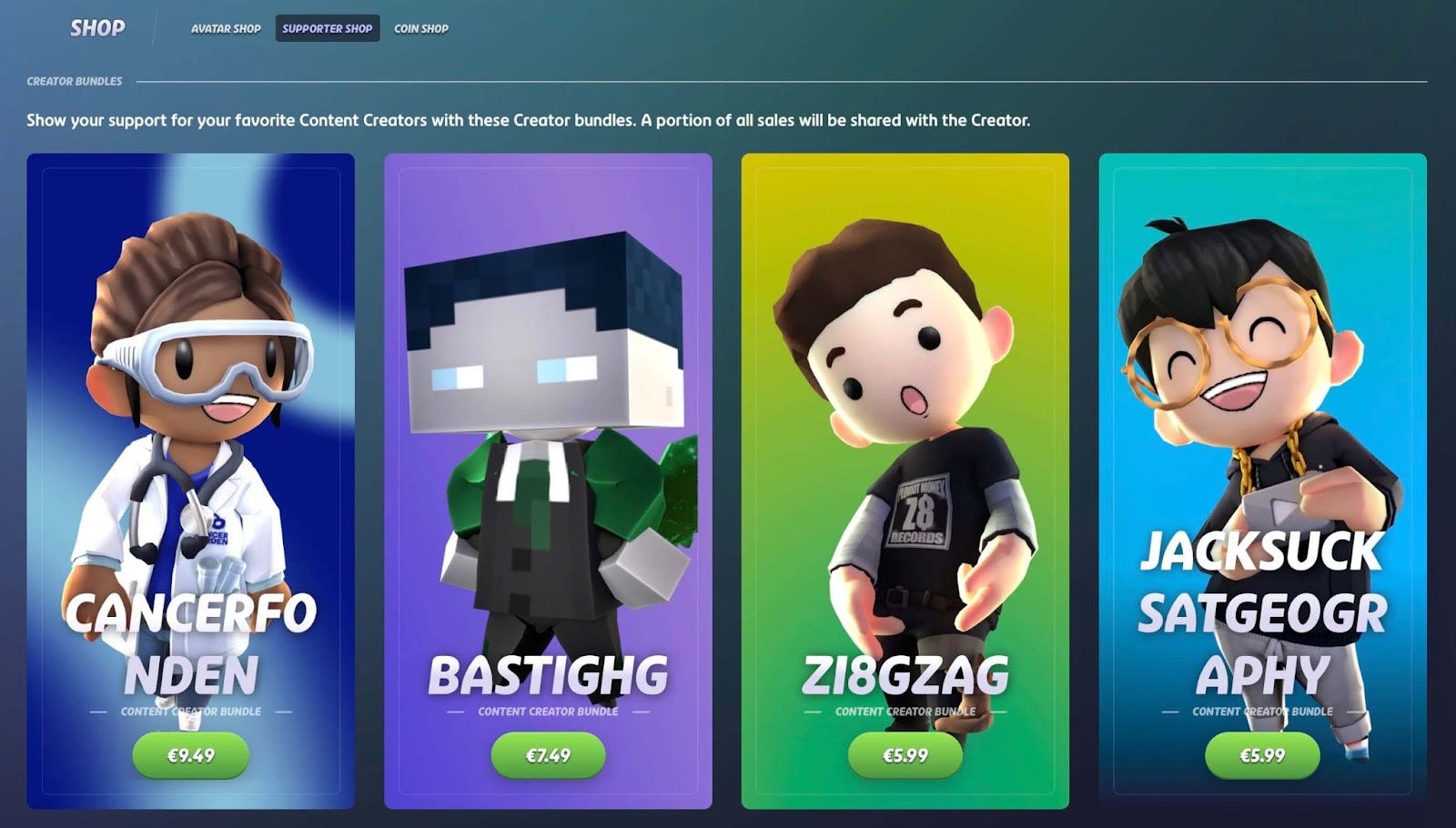
The incentives make sense. Creators monetize their personal brand. App makers gain distribution and can charge premium prices. I get the emotional satisfaction of associating with minds I admire.
The Future
As distribution becomes harder and software becomes cheaper, identity becomes a key differentiator. Maybe one of the first association products for me is note-taking because it's a commodity.
The future belongs to tools that understand not just productivity, but identity and brand. Not just what we want to do, but who we want to become. Form over function.
Creator skins are just the start. The real opportunity? Building software that lets us associate with minds we admire and communities we want to be a part of. In a world of infinite digital sameness, personality becomes luxury.
When every app can do everything, the only reason to pick one is who you become when you open it.
Thanks to Carly and Emily, for reading drafts of this post!
Fascinating to think that the apps we use can say more about us than what we actually use them for/share on them. Does using bluesky say we're more progressive than x? What about spotify vs apple music? Interested to see how this evolves – loved the links too
I keep coming back to the idea that software is becoming less about utility and more about identity scaffolding. It’s no longer "What can this do for me?" but "What does using this say about me?"
Makes me think about the old Livestrong bracelets.